
Sonus Radar
Sonus Radar is an autonomous acoustic early-warning system that uses edge AI, solar-powered sensor nodes, and cellular connectivity to detect aerial threats and provide real-time situational awareness.
00

Problem
Modern conflicts have demonstrated that low-cost drones can pose a significant threat to military units, critical infrastructure, and civilian populations. Many existing detection systems rely on expensive radar installations, require substantial infrastructure, or struggle to provide broad coverage at scale. The rapid evolution of drone technology demands equally adaptive detection solutions that can be deployed quickly, operate autonomously, and remain effective in remote environments. There is a growing need for affordable, distributed early-warning systems capable of providing actionable intelligence before a threat reaches its target.
Solution
Sonus Radar is an autonomous acoustic early-warning system designed to detect and classify aerial threats using distributed sensor nodes and machine learning. Each unit continuously analyzes environmental audio locally using edge AI models trained to recognize drone signatures. Operating independently through solar power and cellular connectivity, Sonus Radar can be deployed in remote locations without fixed infrastructure. By combining acoustic sensing, machine learning, and cloud-based monitoring, Sonus Radar enables the creation of scalable detection networks that provide real-time situational awareness and early warning capabilities.
From Observation to Awareness
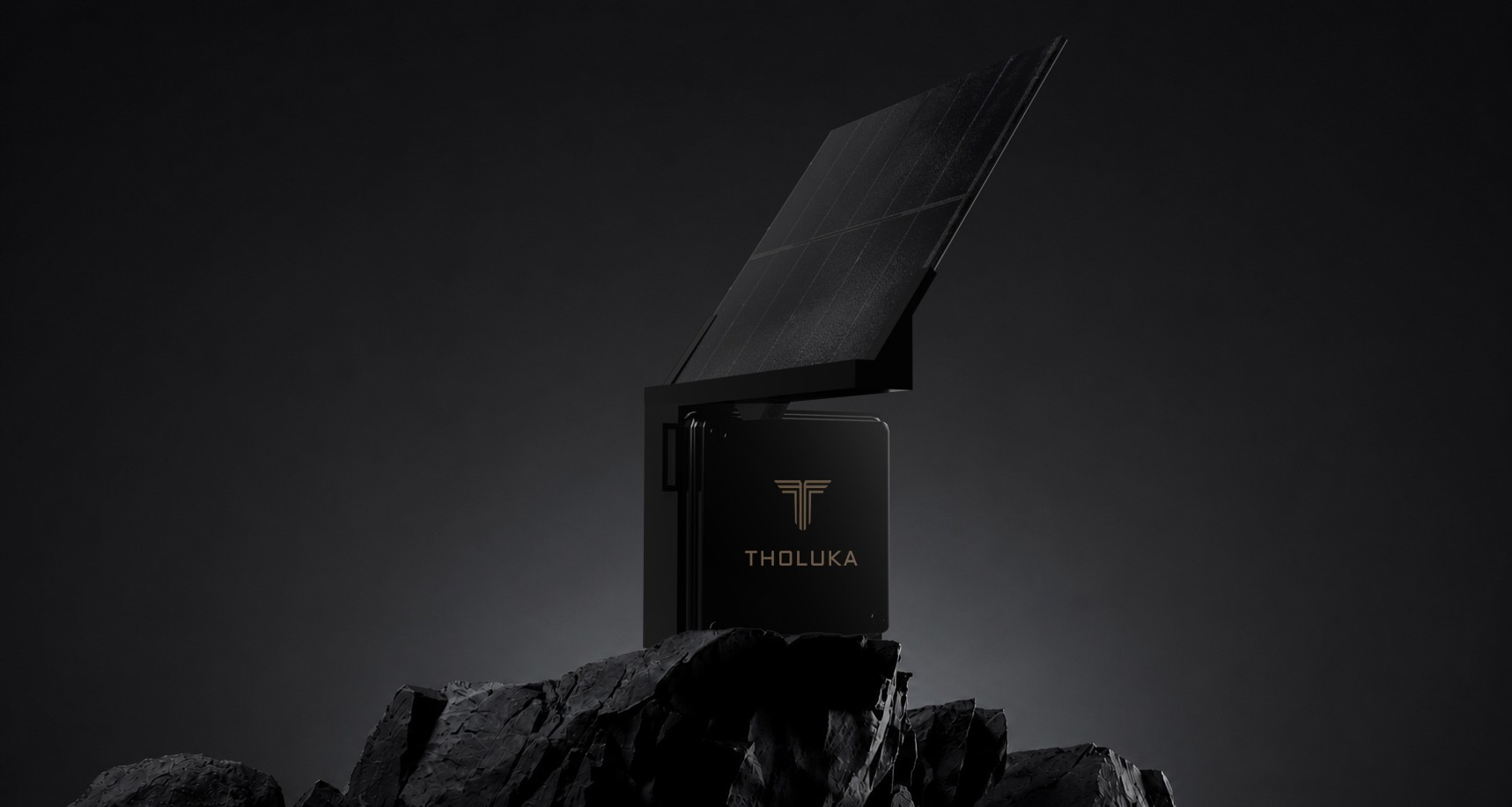
The idea for Sonus Radar emerged from a simple question: how can modern threats be detected without relying solely on expensive and centralized systems?
Recent conflicts have highlighted how rapidly evolving technologies such as drones can challenge traditional defense approaches. Small teams equipped with commercially available hardware can now create threats that were once only possible for nation states. At the same time, many defensive systems remain costly, complex, and difficult to scale.
Sonus Radar was created to explore a different approach.
Instead of relying on large installations, the project focuses on distributed sensing. Small autonomous nodes continuously monitor the environment, process data locally using machine learning, and report potential threats through a centralized monitoring platform.
Designed for Real-World Deployment
A core objective of the project was to create a system capable of operating in remote environments with minimal infrastructure requirements.
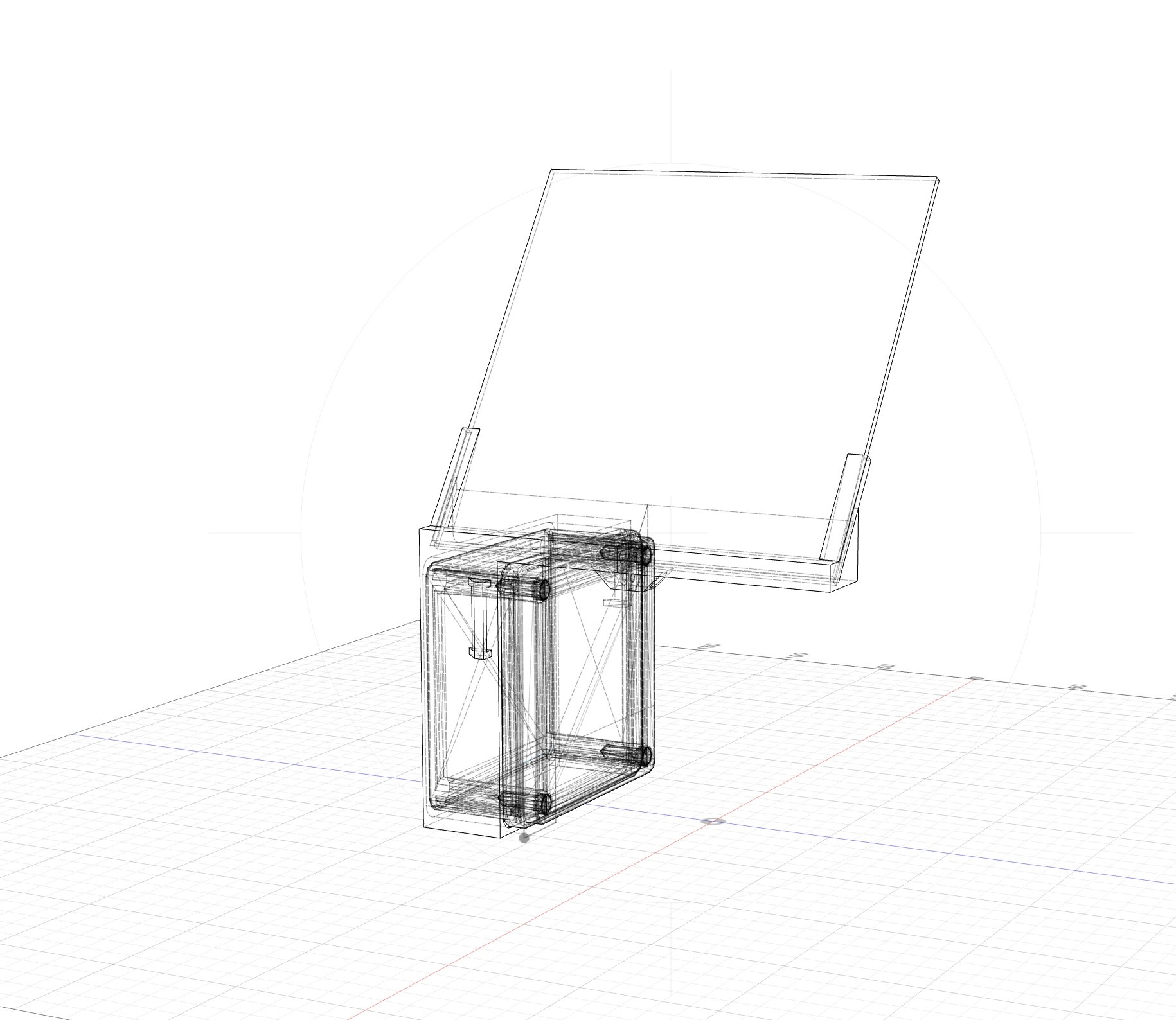
Each detector is solar-powered, weather-resistant, and designed for long-term autonomous operation. Edge processing minimizes bandwidth requirements while allowing rapid threat classification directly on the device.
This architecture enables flexible deployment across large geographic areas while maintaining low operational costs.
Building the Foundation of Adaptive Defense
Sonus Radar represents the first project developed under the Tholuka vision of adaptive defense technology.
The long-term goal extends beyond acoustic detection alone. Future systems may combine multiple sensing modalities, artificial intelligence, and distributed networks to create broader situational awareness platforms capable of adapting to emerging threats.
As technology evolves, defensive systems must evolve with it. Sonus Radar is one step toward that future.
year
2026
timeframe
3 months
tools
Embedded Systems, Machine Learning, Edge AI
category
Software/Hardware
01
02
